Table of Content
Choosing the right plastic surgeon in Bhopal is one of the most important decisions you will ever make for your health, your appearance, and your self-confidence. Whether you are considering rhinoplasty, gynecomastia correction, breast augmentation, liposuction, or a laser-based treatment, the surgeon you trust will directly shape your results, your safety, and your recovery experience.
This guide gives you seven clear, honest factors to evaluate before you commit — so you can walk into your consultation informed, confident, and in control.
Considering cosmetic or reconstructive surgery is a life-changing decision — one that goes far beyond appearances. It is about trusting your body, your health, and your confidence to someone with the right expertise, integrity, and empathy.
Bhopal's aesthetic healthcare landscape has grown significantly over the last few years. More clinics, more doctors, and more treatment options now exist than ever before. That growth is good news — but it also makes it harder to separate genuinely skilled, ethical surgeons from those who simply market themselves aggressively.
Every clinic claims to offer the best results. Every doctor is "highly experienced." The word best is used so frequently that it becomes meaningless — unless you know exactly what to look for.
This article cuts through that noise. It gives you seven precise, no-nonsense factors to evaluate when choosing a plastic surgeon in Bhopal, so that your decision is grounded in evidence rather than advertising.
How to Choose the Best Plastic Surgeon in Bhopal?
The short answer: look beyond the marketing. A great plastic surgeon is not just someone with a polished website or a large social media following. They are someone whose qualifications are verifiable, whose results are documented, whose communication is honest, and whose facility meets international safety standards.
Here are the seven factors that genuinely matter.
Factor 1 – Board Certification & Medical Credentials
This is the most important filter of all — and the one most patients overlook.
In India, the title "plastic surgeon" is not always a guarantee of specialised training. Some practitioners perform aesthetic procedures after completing only a general surgery degree or a short-term course. To protect yourself, you must verify the surgeon's qualifications independently.
A fully trained, board-certified plastic surgeon in India holds the following degrees — in this order:
- MBBS – foundational medical degree (5.5 years)
- MS in General Surgery – surgical specialisation (3 years)
- M.Ch in Plastic & Reconstructive Surgery – super-specialisation exclusively in plastic and reconstructive surgery (3 years, via NEET SS)
The M.Ch degree is the gold standard. It is awarded only after years of supervised surgical training across cosmetic, reconstructive, hand, and microsurgery — making it fundamentally different from a short aesthetic medicine diploma or a general surgery degree alone.
You can verify a surgeon's credentials through the Medical Council of India (MCI) or the respective State Medical Council. Do not skip this step.
Surgeons who have completed additional fellowships — in microvascular surgery, aesthetic surgery, or reconstructive surgery — bring an even broader skill set. These fellowships are typically completed under senior surgeons at centres of excellence across India or internationally.
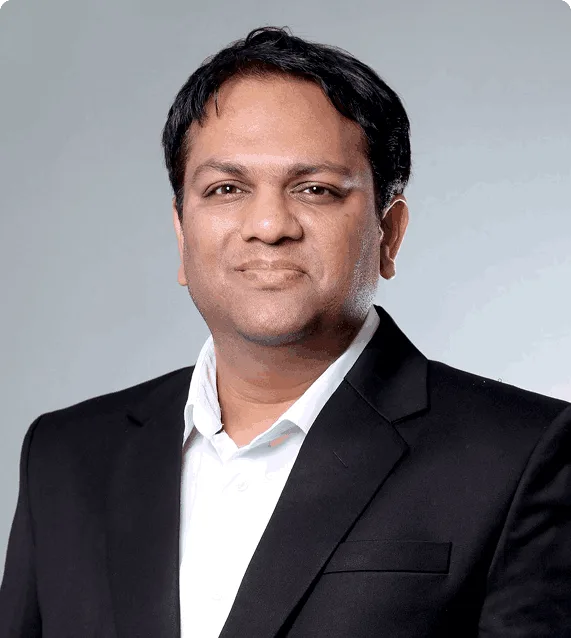
Dr. Apoorv Loya holds all three foundational degrees — MBBS, MS (General Surgery), and M.Ch (Plastic & Reconstructive Surgery) from the prestigious B.J. Medical College, Ahmedabad — and has further trained under renowned surgeons through prestigious fellowships in microvascular and aesthetic surgery. His credentials are verifiable and his training speaks for itself.
Factor 2 – Experience in the Specific Procedure You Need
Board certification tells you a surgeon is qualified. Procedure-specific experience tells you whether they are the right choice for you.
Plastic surgery is a broad field. A surgeon who excels at facial reconstruction may have limited experience in body contouring. A specialist in breast surgery may not routinely handle hair transplants or laser-based procedures. You need to match the surgeon's depth of expertise to the specific treatment you are seeking.
Here is how to assess this effectively:
- Ask directly: How many of this specific procedure do you perform each month? Each year?
- Request case photos: Ask to see before-and-after results from patients with a similar body type, age range, or skin tone to yours.
- Ask about complexity: Has the surgeon handled cases with complications similar to your anatomy? Do they manage both cosmetic and reconstructive versions of the procedure?
- Look for consistency: One good result is luck. A gallery of consistent, natural-looking outcomes across many patients reflects genuine skill.
High case volume in your specific procedure means the surgeon has encountered a wide range of anatomical variations, refined their technique over time, and developed reliable protocols for managing complications — all of which directly improve your safety and results.
At Asteria Aesthetics in Bhopal, Dr. Apoorv Loya routinely performs rhinoplasty, liposuction, gynecomastia surgery, breast augmentation and reduction, tummy tucks, dimple creation, hair transplants, Botox treatments, post-trauma reconstruction, and a full suite of laser-based treatments using USFDA-approved devices. His breadth of experience across both cosmetic and reconstructive surgery allows him to approach each case with a level of surgical judgement that narrow specialists cannot always offer.
Factor 3 – Surgical Facility and Safety Standards
Where your surgery is performed matters as much as who performs it.
In Bhopal, as across India, aesthetic procedures are offered in settings that range from internationally certified surgical centres to small clinics with minimal emergency infrastructure. Choosing a substandard facility — even with a skilled surgeon — introduces unnecessary risks.
Before committing, verify that the facility offers:
- A certified, registered operating theatre (OT) with sterile technique protocols
- Licensed anaesthesiology support — whether local, regional, or general anaesthesia is used
- Modern surgical equipment that is maintained and regularly serviced
- Post-operative recovery setup — a dedicated space for monitored recovery immediately after the procedure
- Emergency support systems — the ability to manage surgical emergencies, allergic reactions, or complications on-site
- Documented hygiene and infection control protocols — this should be visible and verifiable, not just claimed
These are not luxury features. They are the baseline for safe surgery.
Asteria Aesthetics operates a fully equipped OT in Bhopal, designed to international safety standards. The facility combines advanced surgical infrastructure with a comfortable, welcoming environment — ensuring that every patient receives care that is medically rigorous and personally attentive.
Factor 4 – Transparent Consultation and Communication
Your consultation is not just an assessment. It is a preview of how the surgeon will treat you throughout your entire journey.
A trustworthy plastic surgeon approaches the consultation as a two-way conversation, not a sales pitch. They listen carefully before they speak. They ask about your goals, your medical history, your lifestyle, and your concerns — because all of these factors shape what is possible and what is appropriate for you.
Red flags to watch for during a consultation:
- The surgeon speaks more than they listen
- You are given a treatment plan before a thorough assessment is completed
- Risks, recovery timelines, and realistic outcomes are glossed over or avoided
- You are pressured to book or pay before you have had time to reflect
- The doctor dismisses your questions or makes you feel uninformed for asking
Green flags that signal a surgeon you can trust:
- They clearly explain the procedure, the technique they will use, and why it suits your anatomy
- They give you honest, realistic expectations — including limitations — not just promises
- They walk you through costs, recovery, potential risks, and follow-up care in detail
- They are comfortable saying "this procedure may not be right for you" when relevant
- You leave feeling informed, not sold
A good consultation should never make you feel rushed. If it does, that is a meaningful signal.
Dr. Apoorv Loya is known among his patients in Bhopal for his thorough, unhurried consultations. He takes time to understand each patient's goals, explains every aspect of the proposed treatment in plain language, and provides a customised plan based on individual anatomy — not a one-size-fits-all approach.
Factor 5 – Real Results, Before-After Photos, and Testimonials
Results are the most honest measure of surgical quality. Always ask to see them.
Marketing language is easy to produce. Consistent, high-quality patient outcomes are not. A surgeon who genuinely delivers excellent results will have documentation — not just claims.
Here is what to look for and how to evaluate it:
- Before-and-after photo galleries: Look for a variety of cases, not just the most dramatic transformations. Consistent, natural-looking results across many different patients reflect technical reliability. Poor galleries may show only selective cases or images that appear digitally altered.
- Google reviews and testimonials: Read a broad sample. Pay attention to how patients describe the communication, the recovery support, and the overall experience — not just the outcome.
- Social proof across platforms: Check Instagram, Justdial, Practo, and Google Maps for a well-rounded picture of patient sentiment.
- Word of mouth: In Bhopal's medical community, reputation travels. Speak to people who have had procedures done — their honest experience is often more revealing than any formal review.
- Academic and professional recognition: Surgeons who contribute to their field through research, presentations, or training of junior doctors bring an additional layer of credibility.
Dr. Apoorv Loya's patients in Bhopal consistently highlight three things: natural-looking, proportionate results; personalised attention throughout the process; and a transparent, honest approach to care. His track record across procedures ranging from facial surgery to body contouring reflects both surgical skill and aesthetic judgment.
Factor 6 – Post-operative Support and Recovery Care
The surgery is only the beginning. Your recovery determines your final result.
Post-operative care is where many clinics fall short — and where the difference between a good outcome and a great one is made. Complications, infections, poor scarring, and suboptimal healing are often the result not of surgical error, but of inadequate aftercare.
A surgeon and clinic that takes recovery seriously will provide:
- Clear, written post-operative instructions covering wound care, activity restrictions, medication protocols, and warning signs to watch for
- Scheduled follow-up appointments at appropriate intervals to monitor healing — not just one visit and discharge
- Accessible communication between visits, so that you can raise concerns promptly if something does not feel right
- Scar management guidance where applicable — including appropriate creams, silicone sheets, sun protection advice, and timelines
- Nutritional and lifestyle advice to support healing — particularly relevant for larger procedures like tummy tucks or body contouring surgeries
- Psychological support awareness — understanding that the emotional journey of aesthetic surgery is as important as the physical one
At Asteria Aesthetics, recovery care is treated as an integral part of every treatment plan — not an afterthought. Dr. Apoorv Loya's approach to post-operative support reflects his commitment to results that are not just achieved in the operating theatre, but sustained long after discharge.
Factor 7 – Ethics, Empathy, and Aesthetic Sense
Plastic surgery is as much an art as it is a science. The best surgeons possess both.
Technical skill is table stakes. What separates truly exceptional plastic surgeons from competent ones is their ability to see the person in front of them — to understand what they want to feel, not just what they want to look like — and to bring genuine aesthetic sensibility to every decision they make.
An ethical, empathetic surgeon:
- Takes time to understand your vision before forming a treatment plan
- Enhances your natural features rather than imposing a generic aesthetic
- Customises every procedure to your specific anatomy, proportions, and goals
- Recommends only what is genuinely necessary and beneficial for you
- Is willing to advise against a procedure when it is not in your best interest
- Prioritises your long-term well-being over short-term revenue
Ask yourself these questions after your first consultation:
- Did this doctor understand what I actually want?
- Did they explain everything with clarity and patience?
- Do I feel safe and seen in this space — or just processed?
- Did they offer any caution or alternative perspective, or was it all agreement?
If the answers to the first three are yes and the fourth reflects genuine professional judgement rather than pressure, you have likely found a surgeon who sees more than your appearance. They see you.
Why Many Patients Choose Dr. Apoorv Loya in Bhopal
Dr. Apoorv Loya has established himself as one of the most trusted and respected cosmetic surgeons in Bhopal — not through aggressive marketing, but through consistent clinical outcomes, ethical practice, and a deeply patient-centred philosophy.
Here is what sets him apart:
- Board-certified with M.Ch in Plastic & Reconstructive Surgery from B.J. Medical College, Ahmedabad — one of India's premier institutions
- Fellowship-trained under renowned surgeons across India, with additional expertise in microvascular and aesthetic surgery
- Founder and Head of Asteria Aesthetics, a state-of-the-art cosmetic surgery centre in Bhopal equipped with USFDA-approved technology and a fully certified OT
- Comprehensive procedural expertise spanning rhinoplasty, liposuction, gynecomastia surgery, breast augmentation and reduction, tummy tucks, dimple creation, hair transplants, Botox, post-trauma reconstruction, and laser-based treatments for tattoo removal, hair reduction, scars, pigmentation, and warts
- A philosophy of precision and personalization — every treatment plan is tailored to the individual's anatomy, goals, and lifestyle
- Known for ethical practice — Dr. Loya is as willing to advise against a procedure as he is to recommend one, which is a hallmark of genuinely patient-first care
- Exceptional post-operative support — from detailed recovery instructions to accessible follow-up, his patients are supported at every stage
If you are seeking plastic surgery in Bhopal from a surgeon who combines internationally trained expertise with honest, compassionate care, Dr. Apoorv Loya at Asteria Aesthetics is a name that consistently earns the confidence of his patients.
How to Become a Plastic Surgeon in India
Understanding the journey behind the qualification helps you appreciate why it matters so much. Becoming a board-certified plastic surgeon in India requires a minimum of 11 to 12 years of medical education and training:
| Stage | Qualification | Duration |
| 1 | MBBS (Bachelor of Medicine and Bachelor of Surgery) | 5.5 years |
| 2 | MS in General Surgery | 3 years |
| 3 | M.CH in Plastic & Reconstructive Surgery (via NEET SS) | 3 years |
| 4 | Optional fellowships in cosmetic, microvascular, or reconstructive surgery | Variable |
Beyond formal education, the most accomplished plastic surgeons continue their development throughout their careers — attending international conferences, completing hands-on workshops, training in cadaver labs, and collaborating with leading surgeons in India and abroad. This culture of continuous learning is what keeps techniques, technology, and patient safety standards at the highest possible level.
When you see an M.Ch qualification on a surgeon's credentials, you are looking at over a decade of focused, supervised medical training. That is what the title genuinely represents.
Final Thoughts: Choose With Confidence
Choosing the best plastic surgeon in Bhopal — or anywhere in India — is a decision that deserves time, research, and careful thought. The right surgeon does not just deliver a result. They empower you to feel more confident, more comfortable, and more aligned with who you are.
Use the seven factors in this guide as your framework:
- Verify board certification and medical credentials independently
- Assess experience specifically in the procedure you need
- Inspect the surgical facility and its safety standards
- Evaluate the consultation for transparency and communication
- Review real before-and-after results and patient testimonials
- Ask about post-operative support and follow-up care
- Trust your instinct on ethics, empathy, and aesthetic vision
Do not rush. Do not be pressured. And do not let a polished website substitute for verified credentials and real patient outcomes.
If you are considering plastic surgery in Bhopal, we invite you to schedule a consultation with Dr. Apoorv Loya at Asteria Aesthetics — where precision meets personalisation, and where your goals are the starting point for everything.
📍 10, Ramanand Nagar, Near Lalghati Square, Bhopal, M.P. – 462023
📞 +91 98935 02911 | +91 63540 52531
Frequently Asked Questions
Q1.Who is the best plastic surgeon in Bhopal?
Dr. Apoorv Loya is widely regarded as one of the best plastic surgeons in Bhopal, with M.Ch credentials from B.J. Medical College, Ahmedabad, fellowship training in microvascular and aesthetic surgery, and a track record of natural-looking results across a wide range of cosmetic and reconstructive procedures.
Q2.What qualifications should I look for in a plastic surgeon in India?
Look for MBBS, MS (General Surgery), and M.Ch (Plastic & Reconstructive Surgery) — all from institutions recognised by the Medical Council of India. The M.Ch is the highest and most specific qualification for plastic surgery in India.
Q3.How can I verify if a plastic surgeon is certified in India?
You can verify a surgeon's registration and qualifications through the Medical Council of India (MCI) or your State Medical Council. Always confirm independently — do not rely solely on what a clinic's website states.
Q4.Is experience more important than credentials when choosing a surgeon?
Both matter equally, and neither can substitute for the other. Credentials confirm that the surgeon has undergone the required training. Experience shows that they have applied that training consistently across a range of cases. The best surgeons have both.
Q5.What is the difference between cosmetic surgery and plastic surgery?
Plastic surgery is a broad surgical specialty that includes both reconstructive procedures (repairing defects caused by trauma, disease, or birth conditions) and cosmetic procedures (enhancing appearance). Cosmetic surgery is a subset of plastic surgery focused specifically on elective aesthetic improvement. Surgeons with an M.Ch in Plastic & Reconstructive Surgery are trained in both.
Q6.Can plastic surgery be performed with minimal or no scarring?
All surgical procedures involve some degree of incision and healing. Experienced surgeons minimise scarring by placing incisions in discreet locations, using precise closure techniques, and providing structured scar management aftercare. The visibility of scars depends on the procedure, your skin type, and how well you follow post-operative care instructions.
Q7.How much does plastic surgery cost in Bhopal?
The cost depends on the specific procedure, the complexity of your case, the facility's infrastructure, the surgeon's experience, and the aftercare included. A personal consultation with Dr. Apoorv Loya at Asteria Aesthetics will provide you with a transparent, itemised estimate tailored to your treatment plan.
Q8.How long is recovery after plastic surgery in Bhopal?
Recovery varies significantly by procedure. Non-invasive and minimally invasive treatments typically require no downtime. Minor surgical procedures may involve 5 to 7 days of rest. Major surgeries such as tummy tucks, liposuction, or rhinoplasty may require 2 to 6 weeks for full recovery. Your surgeon will give you a detailed recovery timeline specific to your procedure.
Q9.Can I see before-and-after photos before deciding on a procedure?
Yes. Reputable surgeons like Dr. Apoorv Loya provide before-and-after photo galleries and can share case examples relevant to your specific concern during the consultation. Reviewing real patient outcomes is an important and encouraged step in your decision-making process.
Q10.Does Asteria Aesthetics offer virtual consultations?
Yes. Online video consultations are available for patients who are unable to visit the clinic in person. Contact the clinic directly to schedule one.
Q11.What is the consultation fee at Asteria Aesthetics in Bhopal?
The consultation fee is ₹700, which is valid for 15 days. Same-day consultations may be available depending on schedule. Initial consultations typically last 20 to 30 minutes and include a skin or body analysis along with a discussion of your treatment options.
Q12.What should I do to prepare for my first consultation with a plastic surgeon?
Come with a clear idea of your goals — what you want to change and why. Bring a list of any medications you are currently taking. Be prepared to discuss your medical history, previous surgeries, allergies, and lifestyle habits such as smoking or alcohol use. The more information your surgeon has, the more personalised and accurate their assessment will be.
Disclaimer: Results of cosmetic surgery vary from person to person. This article is intended for informational purposes only and does not constitute medical advice. Always consult a qualified, board-certified plastic surgeon before making any surgical decision.

 Get personalized facial analysis and treatment planning