Table of Content
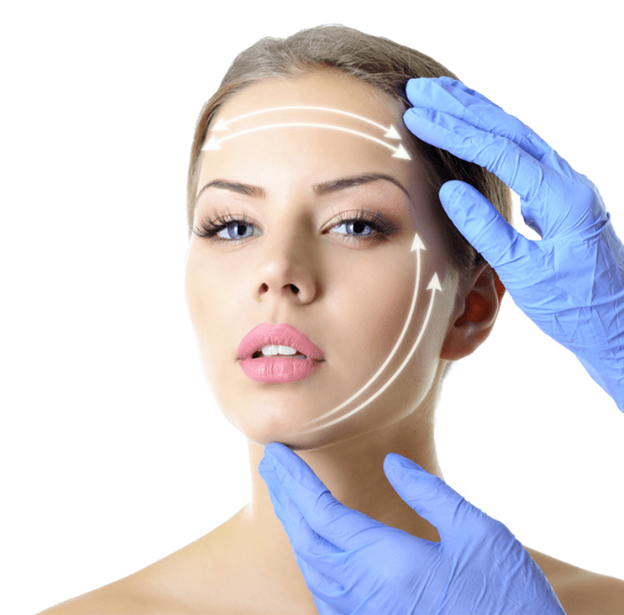
You are 48 hours after your facelift surgery, your face looks unfamiliar in the mirror, and you are wondering if everything is going as it should. Let us stop that worry right now. What you are seeing is completely normal. After guiding hundreds of patients through facelift recovery at Asteria Aesthetics in Bhopal, Madhya Pradesh, the biggest predictor of a smooth healing experience is knowing exactly what to expect at every stage.
According to the American Society of Plastic Surgeons, facelift surgeries rose 8 percent in recent years, reflecting growing confidence in modern techniques and shorter visible downtime.
This guide gives you the full facelift recovery timeline, week by week and month by month, so you can plan your life around healing rather than letting healing interrupt your life.
What Really Happens After Surgical face rejuvenation?
Before diving into the weekly breakdown, it helps to understand the big picture of how facelift healing works and why the timeline is longer than most patients initially expect.
Facelift recovery does not follow a straight line. It moves in phases. Most patients look socially ready around week two to three. Final results take three to six months to fully reveal themselves as deeper tissue swelling resolves. The skin you see at day five looks nothing like your result at month six.
Understanding this timeline protects your result. Patients who rush back to strenuous activity too early risk complications including increased swelling, haematoma, and delayed healing. Patients who understand each phase recover with confidence.
Facelift Recovery Timeline: Week by Week
Recovery from Facial rejuvenation surgery unfolds in clearly defined stages, each with its own set of changes, restrictions, and milestones. Here is exactly what to expect from day one through the six month mark.
Days 1 to 3: The First 72 Hours
The first three days are the most demanding of the entire facelift recovery period. You will have a soft bandage around your face and neck. Small drainage tubes placed beneath the skin prevent fluid accumulation and are typically removed within 48 to 72 hours.
Swelling and bruising are greatest around days three and four. This is not a sign that something has gone wrong. It is your body doing exactly what it should. Pain is typically mild to moderate and well controlled with prescribed medication. Most patients describe the sensation as tightness rather than sharp pain.
Your priority in these three days: rest completely, keep your head elevated at 30 to 45 degrees even during sleep, and follow every post operative instruction from your surgeon.
Week 1: Swelling Peaks and Rest Is Your Job
By the end of the first week, most patients have their sutures removed. Bruising shifts colour from deep purple to yellow. The face still looks operated on, but the worst of the swelling is beginning to subside.
Light walking around your home is encouraged to promote healthy circulation. Avoid bending over, lifting anything heavier than a glass of water, or any activity that raises blood pressure. Avoid direct sun exposure completely.
For patients recovering in Bhopal during summer months, Madhya Pradesh's heat and humidity can worsen facial swelling. Stay in an air conditioned environment as much as possible during the first two weeks. Use a clean, cool cloth for gentle comfort rather than ice directly on the face.
Week 2: The Turning Point
Week two is when most patients begin to feel like themselves again. Residual bruising can be covered with light mineral based makeup once incisions are fully sealed, typically around day 10 to 14.
Many patients feel comfortable enough to work from home during the second half of this week. In person return to work and social activities require a few more days for most people. Tightness across the face is still present but noticeably easing.
Weeks 3 to 4: Back to Normal Life
By the end of the third week, approximately 80 percent of visible swelling has resolved. Most patients return to office work, social events, and everyday routines. Makeup effectively covers any residual yellow tones near the jaw and cheeks.
Light exercise including gentle walking and stationary cycling is typically cleared by your surgeon at the four week mark. Strenuous workouts, heavy lifting, and contact sports remain off limits.
Incision lines around the ears and hairline appear pink at this stage. This is part of normal scar maturation and will continue improving for 12 to 18 months.
Month 2 to 3: Watching Your Face Settle
Residual swelling in the lower face and neck continues fading slowly. The lifted contour becomes more defined and visible. Sensation across the cheeks and jaw fully returns as nerves complete their healing, eliminating the slight numbness many patients experience through the first two months.
Strenuous workouts can gradually resume under the cosmetic surgeon guidance. Scar lines remain pink but are well hidden within the natural creases around the ears. Most patients reaching the three month mark say they have forgotten they had a facelift.
Month 4 to 6: Final Results Revealed
This is the phase patients wait for. Residual swelling fully resolves. The final lifted contour emerges. Cheeks settle into their rejuvenated position. Scar lines begin their maturation from pink to silver.
For patients who combined their facelift with eyelid surgery or a neck lift, the overall facial rejuvenation settles together during this phase, which is why combined procedures are planned with matching recovery timelines.
Results from a well performed facelift typically last 10 to 15 years before age related changes begin affecting the face again, according to data from the American Board of Cosmetic Surgery.
Facelift Recovery Comparison by Procedure Type
Not all facelifts are the same, and neither are their recovery timelines. The table below helps you understand what to plan for based on the specific procedure your surgeon recommends for your anatomy and goals.
| Procedure Type | Visible Recovery | Return to Work | Final Results |
| Mini Facelift | 7 to 10 days | 10 to 14 days | 3 to 4 months |
| Full SMAS Facelift | 10 to 14 days | 2 to 3 weeks | 4 to 6 months |
| Deep Plane Facelift | 14 to 21 days | 3 to 4 weeks | 5 to 6 months |
| Facelift plus Neck Lift | 14 to 21 days | 3 to 4 weeks | 5 to 6 months |
| Facelift plus Eyelid Surgery | 14 to 21 days | 3 to 4 weeks | 5 to 6 months |
Factors That Affect Your Facelift Recovery Time
Several variables determine how quickly you move through each phase of healing. Understanding these helps you set realistic expectations and take active steps to support your own recovery.
Age and Skin Quality
Younger patients and those with better skin elasticity tend to heal somewhat faster. However, patients in their 60s and 70s achieve excellent results with appropriate recovery time. Age alone is not a barrier to a successful outcome.
Lifestyle Choices
Smoking reduces blood flow to healing tissue and significantly slows recovery. Alcohol thins the blood and worsens bruising. Both should be stopped at least two weeks before surgery and avoided throughout recovery. Nutrition matters too. Protein rich foods including eggs, lentils, paneer, and fish supply the collagen building blocks that skin needs for repair.
Your Surgeon's Technique
Advanced techniques that address the underlying SMAS muscle layer rather than pulling skin alone result in more natural contours and less tissue tension during healing. Less tension on incisions means more comfortable healing and better long term scar outcomes.
Combined Procedures
Combining a facelift with blepharoplasty or a neck lift extends overall swelling by a few days but allows comprehensive rejuvenation in a single recovery period. Your surgeon will plan both procedures so their recovery timelines align and the final result is balanced and natural.
Facelift Recovery Tips That Actually Work
Following post operative instructions is not optional. However, there are specific, evidence supported habits that consistently speed healing and reduce discomfort beyond the standard advice most patients receive.
Keep Your Head Elevated
Sleep with your head elevated at 30 to 45 degrees for at least two to three weeks. This single step has the greatest impact on reducing swelling during the first week. Sleeping flat allows fluid to pool in the face overnight and significantly worsens morning puffiness.
Stay Nourished and Hydrated
Drink 2 to 3 litres of water daily. Eat soft, nutritious foods for the first week when opening the mouth widely can feel uncomfortable. Avoid salty foods which worsen swelling. Choose anti inflammatory foods like turmeric, ginger, and colourful vegetables, all widely available at local Bhopal markets and grocery stores.
Protect Healing Incisions from Sun
UV exposure darkens healing scars and causes hyperpigmentation that can persist for months. Apply SPF 30 or higher sunscreen daily from week two onward. Bhopal's sunny climate makes this especially important between March and October when UV index is at its highest.
Avoid These During Recovery
Do not take aspirin or ibuprofen as they thin the blood and increase bruising. Avoid pullover garments that must pass over the face. Avoid facials, facial massage, threading, and waxing until your surgeon specifically clears these activities. Avoid alcohol and smoking throughout the entire recovery period.
Warning Signs That Require Immediate Doctor Contact
The vast majority of facelift patients heal without serious complications. However, knowing the difference between normal healing symptoms and genuine warning signs ensures you get help quickly when it counts.
| Symptom | Action Required |
| Sudden swelling on one side of the face only | Call your surgeon immediately |
| Fresh bleeding soaking through the dressing | Go to clinic or hospital immediately |
| Fever above 100.4 degrees Fahrenheit or 38 degrees Celsius | Call your surgeon immediately |
| Severe pain not relieved by prescribed medication | Call your surgeon immediately |
| Foul odour or fluid discharge from incision site | Call your surgeon immediately |
| Sudden facial weakness or asymmetric smile | Seek emergency care immediately |
The Emotional Side of Facelift Recovery No One Talks About
Physical healing is only one part of the facelift recovery experience. The emotional arc of recovery, from post surgery doubt through to growing confidence, is just as predictable as the physical timeline and deserves equal preparation.
Days two and three after a facelift are the hardest emotionally for most patients. Swelling peaks, the face looks unfamiliar, and the excitement of surgery day gives way to fatigue and self doubt. This phase is completely normal and passes quickly, typically resolving by day five to seven as swelling begins receding.
By week two, the shift in mood is dramatic. Visible improvement arrives rapidly in days 10 through 14 and most patients feel optimistic and encouraged. The deeper the understanding of this emotional arc before surgery, the easier the first week becomes.
Family involvement matters greatly in Indian households. Prepare the people at home with an honest explanation of what the face will look like during the first week. This prevents unnecessary worry and ensures you receive the rest you need rather than managing others' anxiety alongside your own.
Why Patients in Bhopal Trust Dr. Apoorv Loya for Facelift Surgery
Choosing the right surgeon is the single most important decision in your facelift journey. The expertise, technique, and post operative care your surgeon provides directly determines the quality of your recovery and the longevity of your result.
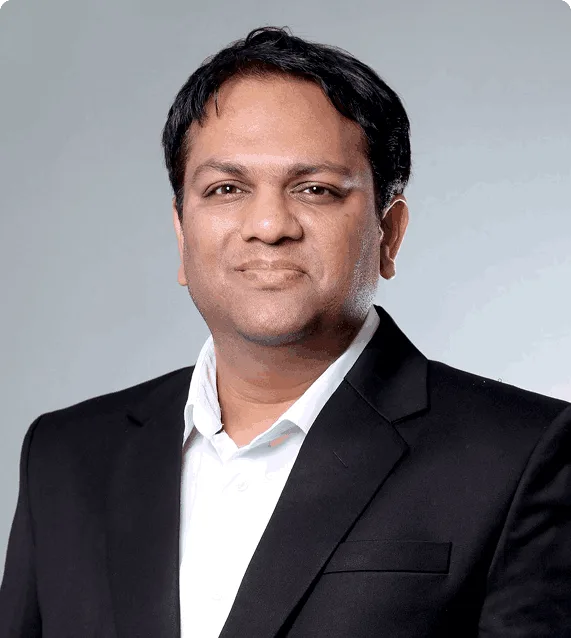
Dr. Apoorv Loya is a Board Certified Plastic Surgeon based in Bhopal, Madhya Pradesh, and is widely regarded as the best plastic surgeon in Bhopal for cosmetic and reconstructive procedures. He holds an M.B.B.S, an M.S in General Surgery, and an M.Ch in Plastic Surgery and Reconstructive Surgery from B.J. Medical College, Ahmedabad, one of the largest and most prestigious government medical institutions in India.
Dr. Apoorv Loya has completed advanced fellowships in cosmetic surgery and aesthetic surgery from Pune and Delhi, where he trained alongside internationally and nationally renowned surgeons. He also holds fellowships in Microvascular Surgery from Ganga Hospital, Coimbatore, and from Johnson and Johnson House, Mumbai, giving him a depth of surgical precision that extends well beyond routine cosmetic procedures.
Dr. Loya understands that the goals and expectations of individuals for cosmetic procedures vary considerably, based on unique anatomy, lifestyle, and personal aesthetic goals. In line with this, he customises every facelift plan and surgical approach to maximise the benefit for each individual patient, ensuring results that look natural, refreshed, and completely appropriate for that patient's face.
"I believe in providing well thought out, customised plans and procedures to ensure the best possible results for my patients. A facelift is not a standard operation. It is a plan built entirely around you."
Dr. Apoorv Loya, M.Ch Plastic Surgery, Asteria Aesthetics, Bhopal
With a commitment to patient satisfaction and a track record built on clinical experience, training at premier institutions, and fellowship level specialisation, Dr. Loya delivers facelift outcomes that stand the test of time. Every patient receives a personalised recovery plan and continued monitoring across all phases of healing, supported by access to the care team during critical recovery weeks.
Frequently Asked Questions: Facelift Recovery
These answers are structured to address the most common patient concerns and are written to appear in Google featured snippets, People Also Ask boxes, and AI generated search overviews.
How long does facelift recovery take?
Most patients return to light social activities within two to three weeks. Strenuous exercise is cleared between weeks four and six. Final results including scar maturation and complete tissue settling take three to six months. Full scar fading continues for up to 18 months post surgery.
When can I drive after surgery?
You can drive when you are no longer taking prescription pain medication, have full range of neck motion, and feel completely alert. For most patients this is around seven to ten days after surgery. Never drive while taking opioid pain medication or sedatives prescribed for post operative discomfort.
How long should I sleep elevated after facelift?
Sleep with your head elevated at 30 to 45 degrees for at least two to three weeks after your facelift. This reduces overnight fluid accumulation in the face, which is the primary driver of morning swelling in the first two weeks of facelift recovery.
When does the tightness feeling go away after facelift?
Tightness across the face and neck eases significantly by week three of recovery and resolves almost completely by the three month mark. Some patients notice occasional mild tightness in forced positions even at two months, but this continues improving steadily and does not affect the final result.
How long do facelift scars take to fade?
Facelift scars begin as pink lines and gradually fade to silver over 12 to 18 months. Consistent daily sun protection accelerates this process. Incisions are placed within natural skin creases around the ears and hairline so they become virtually invisible once fully matured.
When can I wear makeup after facelift?
Light mineral based makeup is usually safe from day 10 to 14 once sutures are removed and incision lines are fully sealed. Always confirm with your surgeon before applying any product near incision sites. Avoid heavy coverage or any application that requires rubbing or pressure for the first month.
What is the most difficult day after facelift surgery?
Days two and three are consistently reported as the most difficult. Swelling reaches its peak during this window, the face looks most operated on, and anaesthetic related fatigue combines with early recovery discomfort. Knowing this in advance makes these two days much easier to move through emotionally.
When can I exercise after facelift?
Light walking is encouraged from the first week to promote healthy circulation. Brisk walking and stationary cycling are typically cleared at the four week mark. Full strenuous exercise including gym workouts, running, and yoga is usually cleared between weeks six and eight with surgeon approval.
Can I fly after facelift surgery?
Most surgeons recommend avoiding air travel for at least two weeks after Cosmetic facial surgery. Cabin pressure and dry recycled air can worsen swelling. For patients travelling to Bhopal from another city or state for surgery, plan for a minimum three week stay before any return journey.
Is facelift recovery painful?
Facelift recovery involves mild to moderate discomfort rather than severe pain for most patients. The sensation is better described as tightness, heaviness, and soreness. Prescribed pain medication manages this well in the first three to five days. Most patients transition to standard paracetamol within the first week.
Quick Reference: Facelift Recovery at a Glance
| Recovery Phase | Key Milestone | Duration |
| Days 1 to 3 | Peak swelling and bruising | 72 hours |
| Week 1 | Suture removal begins | 7 days |
| Week 2 | Bruising fades, social confidence returns | Day 8 to 14 |
| Weeks 3 to 4 | Return to work and light activity | Day 15 to 30 |
| Month 2 to 3 | Majority of swelling resolved | Week 5 to 12 |
| Month 4 to 6 | Final contour visible, scars fading | Week 13 to 26 |
| Month 12 to 18 | Scars fully matured to thin pale line | Long term |
Book Your Facelift Consultation with Dr. Apoorv Loya in Bhopal
If you are considering a facelift in Bhopal and want to understand exactly what your recovery will look like based on your anatomy, your lifestyle, and your goals, the next step is a personalized consultation with Dr. Apoorv Loya at Asteria Aesthetics.
Dr. Apoorv Loya brings board certified surgical precision, fellowship level training in cosmetic and microvascular surgery, and a deeply personalized approach to every facelift procedure. You will leave your consultation with a clear recovery plan, realistic expectations, and complete confidence in the process ahead.
Book your consultation today and take the first step toward a refreshed, natural, and lasting result.
📞 +91 98935 02911
📧 Email: drapoorvloya@gmail.com
📍 Visit us: 10, Ramanand Nagar, Near Lalghati Square, Bhopal, M.P. 462023
Medical disclaimer:
This information is provided for educational purposes only and does not constitute medical advice. Every patient's anatomy, recovery, and final cost are unique. Always consult a qualified plastic surgeon for a personal medical assessment.

 Get personalized facial analysis and treatment planning